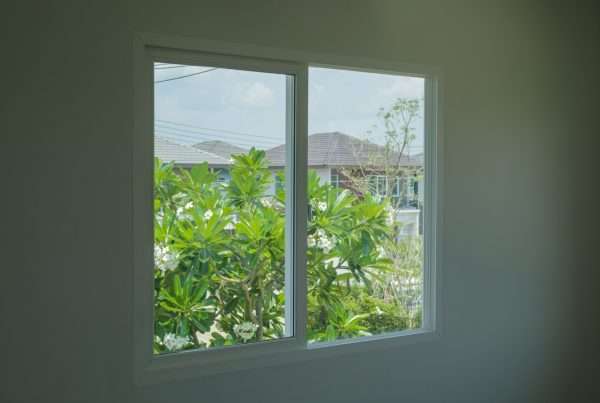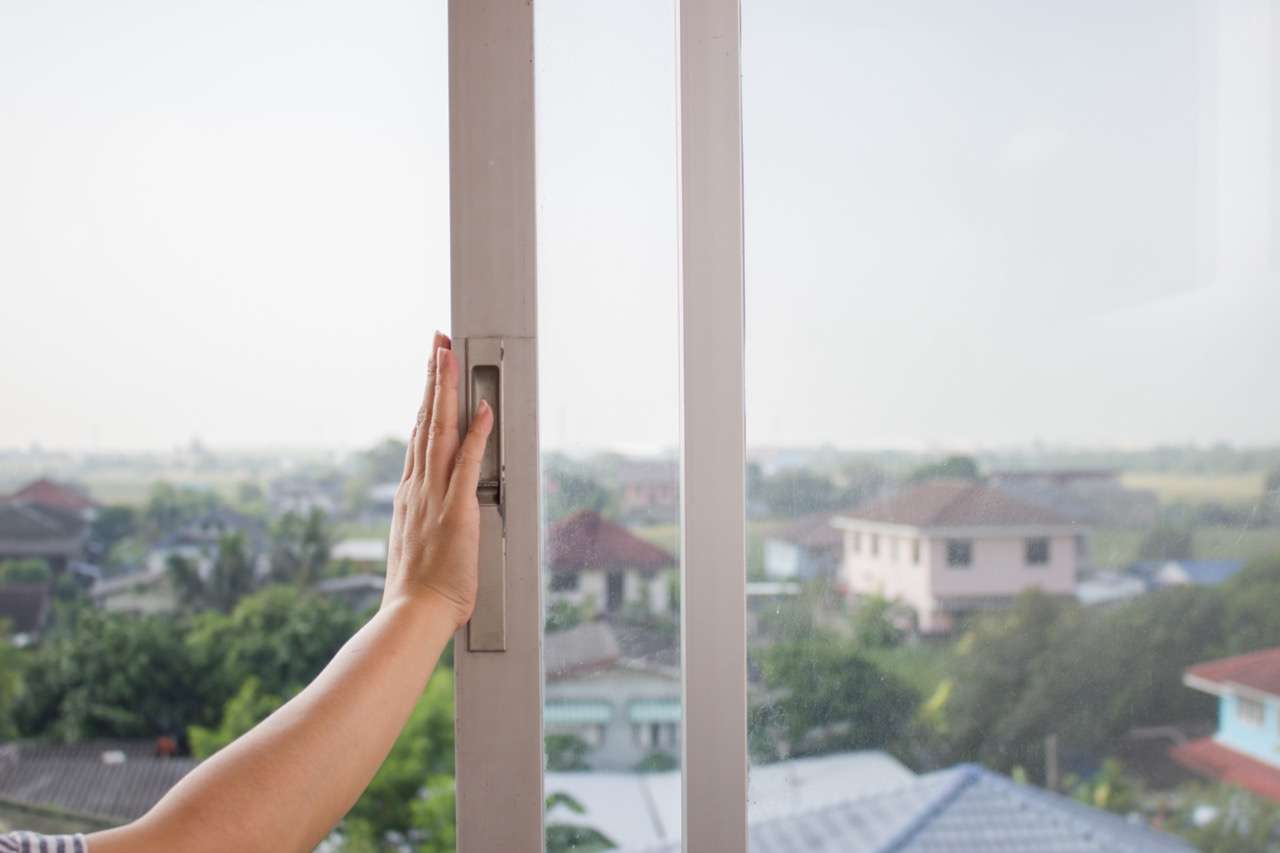
A wide window does not necessarily provide an equally wide opening.
With a sliding window, the way the panels move determines which part can open and how you use it. The overall frame dimensions tell you how much wall space the window occupies, but they do not fully describe the available passage for air, access to the controls or the cleaning arrangement.
That distinction matters when replacing an existing window with a different style.
For homeowners across the GTA and Hamilton area, choosing a sliding window should involve more than liking its horizontal lines. Review the proposed configuration in the room where it will be installed, with furniture, coverings and daily routines included.
Separate the Frame Size From the Usable Opening
The complete window includes the frame, glazing and movable components. The space available when it opens is a different measurement.
Ask for the dimensions and operation of the exact configuration being proposed. Do not assume every sliding window opens in the same way or that both panels move.
Clarify:
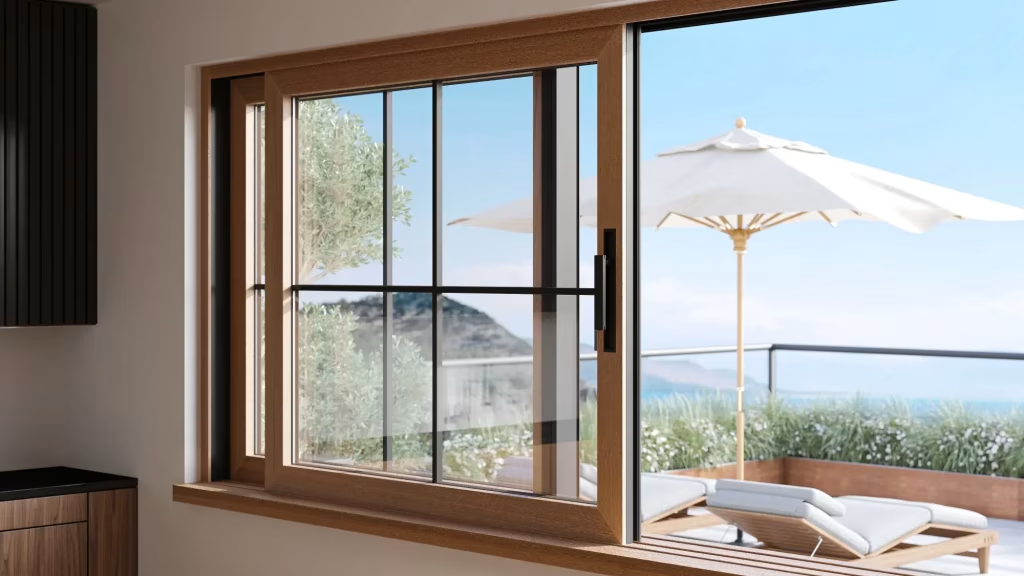
- Which panels are fixed.
- Which panels slide.
- The direction of movement.
- The available clear opening.
- Where handles and locks are located.
- How screens interact with the opening.
This is particularly important if you are replacing a style that opens differently. A new unit can occupy a similar wall opening while changing the way you ventilate the room.
Consider Where You Want the Opening
The location of the movable panel affects convenience.
Imagine a kitchen window where the accessible standing position is toward one end. If the handle or opening is at the opposite end, operation may be less comfortable than expected.
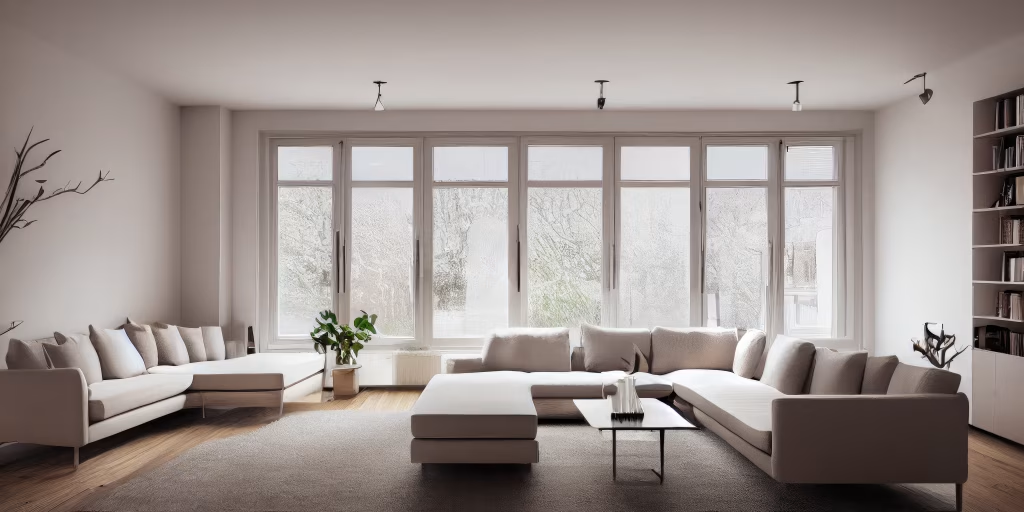
The same issue can arise beside a desk, sofa or bed.
Review the proposed window from inside the room and identify:
- Where you will stand or sit.
- Which side is easier to reach.
- What furniture will remain nearby.
- Whether coverings obstruct the controls.
- Where you would prefer the opening to be.
Our sliding windows should be selected around those relationships. The most useful configuration is the one that suits both the opening and the person using it.
Compare Movement Around the Window
A sliding sash does not require the same inward swing area as a side-hinged inward-opening window. That can be useful where furniture sits near the opening.
However, it does not remove every access requirement.
You still need to reach the controls, operate the panel and complete the care tasks specified for the product. A deep desk or crowded sill can make those activities inconvenient.
| Room Arrangement | What to Check |
|---|---|
| Window above a desk | Reach to handles, locks and the movable panel |
| Window behind a sofa | Whether operation requires moving furniture |
| Window above a counter | Access around taps, appliances and everyday items |
| Window beside a walkway | Whether people can operate it without obstructing the route |
| Window with fitted coverings | Interaction between the covering, handle and sliding movement |
Treat reduced swing space as one benefit to evaluate—not proof that the window will work in every tight location.
Match the Opening to the Room’s Intended Use
Think about why you want the window to open.
You may want occasional fresh air while working, convenient operation above a counter or a different arrangement from the existing window.
Describe that goal before choosing the panel layout.
For example:
We want to operate this window without moving the desk, and we would prefer the opening on the side nearest the clear standing area.
That gives the selection discussion a practical direction.
Avoid judging ventilation from the overall window width alone. The actual opening and the room’s wider ventilation arrangements need consideration.
Where an opening serves a particular required function, tell the project team. Its suitability needs to be checked for that purpose rather than assumed from its appearance.
Look at the View With the Panels Closed
The division between panels remains part of the window’s appearance when it is closed.
Ask to review the proposed proportions, frame profiles and meeting points. These influence how the view is divided and how the window relates to others on the same elevation.
Consider whether:
- A central division interrupts an important view.
- Panel proportions suit the opening.
- The arrangement coordinates with nearby windows.
- The interior appearance matches your expectations.
A photograph of a different-sized product may not show the proportions you will receive.
Where appearance is important, request a drawing or clear product illustration relevant to the proposed configuration.
Understand the Screen Arrangement
If an insect screen is part of the order, check what is supplied and how it works.
Ask:
- Which opening area it covers.
- How it is fitted.
- How it is removed for care, where applicable.
- Whether removal requires particular access.
- What the manufacturer recommends for cleaning and storage.
Do not assume that a screen shown in a display is included in every quoted configuration.
Also keep its purpose clear. An insect screen should not be treated as a protective barrier for people or pets. Discuss any specific household safety needs separately so suitable arrangements can be considered.
Ask for a Cleaning Demonstration
Cleaning access varies by product.
Some sliding-window designs have particular procedures for accessing glass, removing components or maintaining tracks. Do not assume that a method used on an older window applies to the proposed replacement.
Ask the supplier to demonstrate the relevant process and provide the care instructions.
Consider whether you can follow those instructions comfortably in the intended location. A procedure that is straightforward in a showroom may be less convenient above a deep counter or behind fixed furniture.
Avoid choosing a window based on an unsupported promise that every surface will be easy to clean from indoors.
The useful question is: how will this specific unit be maintained in this particular opening?
Consider How Operation Will Feel
A window should be assessed as something you will handle, not just look through.
Where possible, try the proposed product or a representative display. Pay attention to:
- The grip on the handle.
- The movement needed to release the lock.
- The reach required.
- How the panel starts and stops.
- Whether the operating sequence feels clear.
A small display cannot reproduce every aspect of a larger installation, so confirm what differs between the sample and your proposed unit.
Tell the team if strength, reach or dexterity affects your choice. The discussion should focus on practical use rather than assuming everyone operates the same hardware equally comfortably.
Compare Products Beyond the Opening Style
“Sliding window” describes operation. It does not establish every aspect of performance.
When comparing proposals, review the selected product’s documented specifications alongside its dimensions and configuration.
Relevant questions may concern:
- Glazing options.
- Frame construction.
- Available performance information.
- Hardware.
- Finishes.
- Installation scope.
- Written warranty terms.
Avoid assuming that all sliding windows offer the same comfort, sound reduction or resistance to air and water entry. Those claims need to relate to the specified product and installation.
The operating style is one part of the choice.
Confirm the Installation Boundaries
Before ordering, understand what happens around the window.
Clarify which existing components will be removed, what remains and how interior and exterior finishes will be addressed.
Also ask how additional findings will be handled if surrounding material needs attention after removal.
A useful proposal identifies:
- The selected configuration.
- Professional measurement responsibilities.
- Removal and installation work.
- Included trim and finishing.
- Screens and accessories.
- Disposal and cleanup.
- Exclusions and additional-work procedures.
This makes it easier to compare the complete project rather than two unit prices with different assumptions.
Frequently Asked Questions
Do both panels open on a sliding window?
That depends on the selected configuration. Ask which panels move, their direction of travel and the resulting clear opening. Do not assume that the arrangement in a product photograph matches the window being quoted.
Are sliding windows suitable behind furniture?
They may suit some arrangements because the sash does not swing into the room. However, you still need practical access to handles, locks and cleaning areas. Check the proposed window with the actual furniture included.
Can sliding windows be cleaned from indoors?
Cleaning arrangements vary by product and installation. Request a demonstration and the manufacturer’s instructions for the selected unit. Consider whether the procedure is practical at your opening rather than assuming all sliding windows work the same way.
Choose the Opening You Will Actually Use
A well-chosen sliding window combines a suitable panel arrangement with comfortable access and a realistic maintenance routine.
Considering sliding windows for your GTA or Hamilton home? Request a quote from PanoramaLux to compare configurations that suit your room, furniture and everyday use.