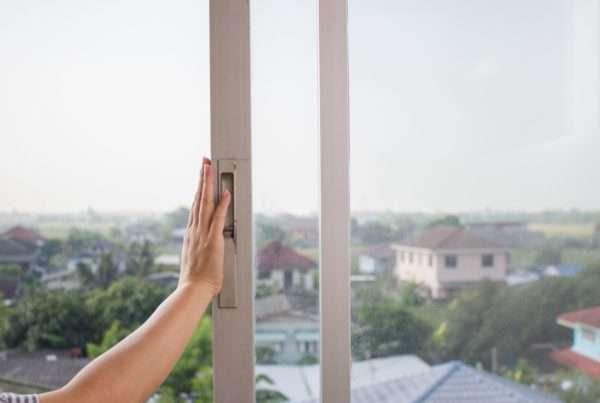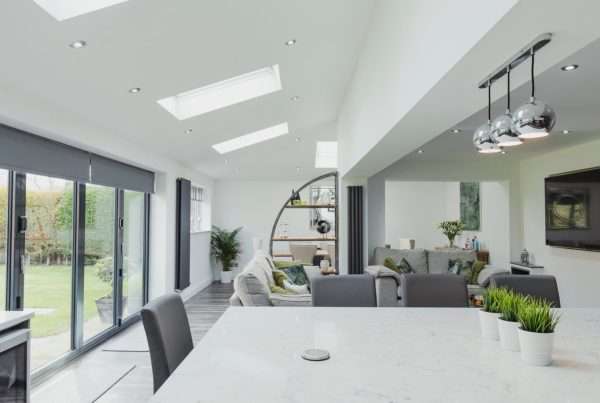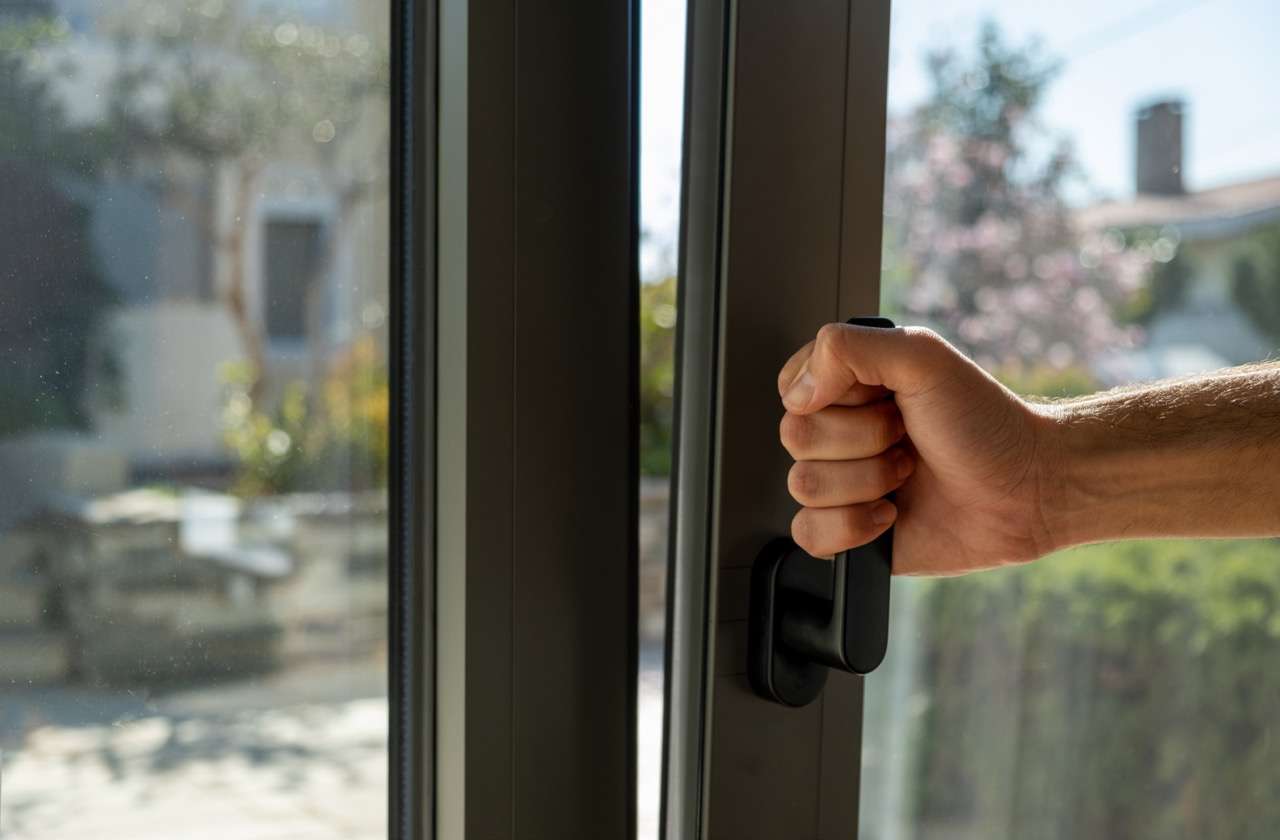
A window can fit the opening in the wall and still conflict with the room around it.
That is particularly worth considering with tilt and turn windows. Their two opening modes offer different ways to use the window, but the inward movement needs to be planned alongside furniture, window coverings and everyday access.
A desk beneath the sill, a kitchen tap or a fitted blind may affect how conveniently the window can operate. These details are easier to address before the product is ordered.
For homeowners across the GTA and Hamilton area, the decision starts with a practical question: can you use both opening modes in the room as it will actually be furnished?
Understand the Two Opening Modes
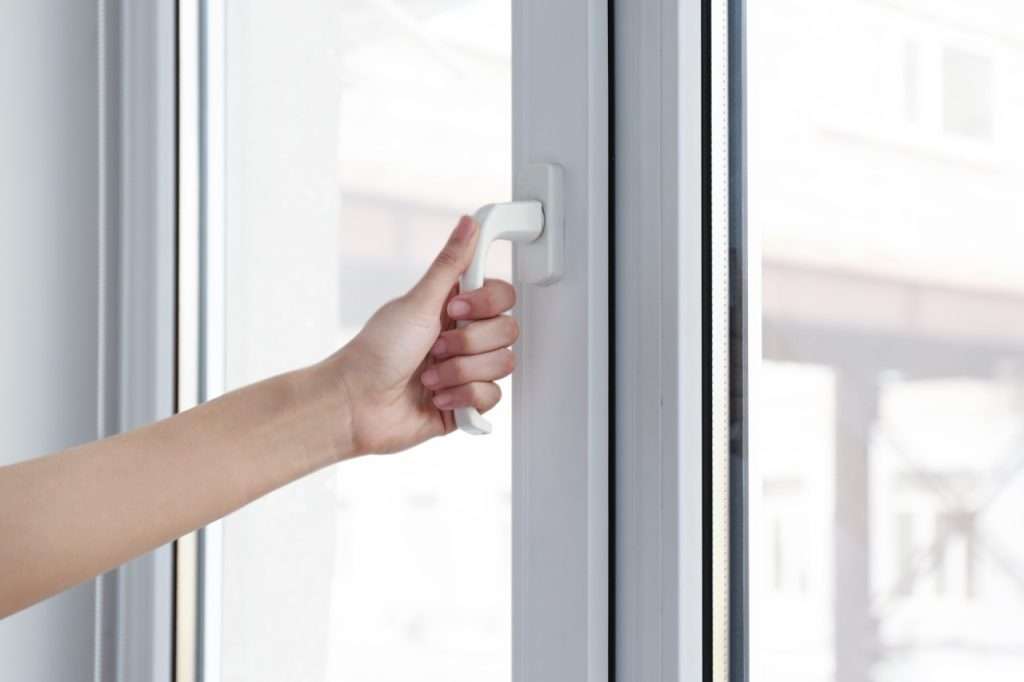
Tilt and turn windows can tilt inward at the top or open inward on a side-hinged sash. These are the two functions described for PanoramaLux’s tilt and turn windows.
The modes do not occupy the same space.
The tilt position moves the upper part of the sash into the room. The turn position brings the sash farther inward as it opens.
When reviewing a proposed window, ask to see both modes demonstrated. Confirm the operation of the selected product rather than assuming that every handle, opening angle or hardware arrangement is identical.
A showroom demonstration is useful, but it should be connected to the dimensions and surroundings of your own opening.
Draw the Sash Movement on the Room Plan
An empty opening can make clearance look straightforward. Furniture changes that picture.
Ask for the proposed sash arrangement and dimensions, then consider the space it occupies when opening inward.
Include:
- Desks and workstations.
- Sofas and chairs.
- Bedside furniture.
- Shelving.
- Kitchen counters and taps.
- Plants and decorative items.
- Routes people use through the room.
A small object that can be moved occasionally is different from a permanent obstruction.
If opening the sash means clearing an entire desk each time, the window may not support the way you intend to use it.
Check the Window Above a Desk
A desk beneath a window is a common arrangement, particularly in a home office or bedroom.
Test it with the actual equipment included. A monitor, lamp or raised shelf can sit within the sash’s path even when the desktop itself is below the sill.
Consider both operating modes:
Tilt mode: Does the top of the sash conflict with a blind, shelf or another nearby feature?
Turn mode: Can the sash open without striking equipment or projecting into the person’s usual seated position?
Also check access to the handle. A desk that is deep or permanently fitted may make reaching the window awkward.
The answer may involve changing the furniture arrangement, revising the window configuration or considering another operating style. Identify the conflict before choosing which compromise is acceptable.
Review Kitchen Windows With the Tap Included
Above a kitchen counter, the relationship between the window, sink and tap deserves particular attention.
Do not assess clearance using only the empty counter. Include the selected tap and anything else that will remain beside the opening.
Questions to resolve include:
- Does the tap sit in the sash’s path?
- Can the handle be reached comfortably?
- Will everyday items need moving?
- Can the window be operated from a practical standing position?
- How will the area be cleaned?
If a kitchen renovation is also planned, coordinate the two projects. Moving a sink or selecting a taller tap later could change an arrangement that originally appeared workable.
A photograph with approximate dimensions is a useful starting point. Final compatibility needs to be checked against the developed window and kitchen designs.
Decide How Blinds and Curtains Will Work
Window coverings can occupy the same space the sash needs.
An inside-mounted blind, a curtain close to the frame or projecting hardware may interfere with operation. The window handle can also affect the available arrangement.
Review the complete combination rather than choosing the window first and leaving the covering until installation day.
| Window Covering Detail | What to Check |
|---|---|
| Blind inside the opening | Whether the sash and handle can move without interference |
| Blind mounted above the opening | Whether its position clears the selected sash arrangement |
| Curtains | Whether they can be moved clear conveniently |
| Shutters | How their panels interact with the window’s opening path |
| Existing fittings | Whether they can remain or need alteration |
There is no universal mounting position that suits every product and room.
If you want to retain an existing covering, tell the installer early. Its continued use should be assessed rather than assumed.
Think About Which Side Should Open
The direction of the turn opening affects the room.
A sash opening toward a wall may behave differently from one opening toward a desk, a cupboard or a walkway. The handle’s position also influences how easily you can operate the window.
Review the proposed arrangement from inside the room.
Ask:
- Where will I stand to open it?
- Which side offers practical handle access?
- What will the open sash sit beside?
- Can nearby doors or cupboards still be used?
- Does it project into a frequently used route?
Where different configurations are available, compare them using the room layout. Do not choose the opening direction solely from an exterior elevation drawing.
Consider How Often You Will Use Each Mode
Some households expect to use the tilt position regularly and the turn position mainly for occasional access. Others want frequent use of the wider opening.
Describe your expectations during the selection discussion.
However, infrequent use does not make an obstructed mode irrelevant. The sash may still need to open for cleaning, inspection or servicing.
Avoid planning around the assumption that you will “never need” one function without understanding the product’s care and access requirements.
Also distinguish convenient operation from suitability for a particular building or safety purpose. Where the opening has a specific required function, the proposed configuration needs the relevant assessment.
Plan Access for Cleaning
An inward-opening sash may make certain surfaces more accessible, but the room arrangement still matters.
Can you stand beside the open window? Is there enough space to reach the relevant areas without leaning over furniture or using an unstable platform?
Ask for a demonstration of the selected product’s cleaning procedure and retain its care instructions.
Consider:
- Furniture that would need moving.
- Access around the open sash.
- Window coverings in the way.
- Handles and hardware.
- Screens or accessories supplied with the unit.
Do not assume that all cleaning can be completed from any position inside the room. The dimensions, installation and manufacturer’s instructions determine the appropriate approach.
Keep the Opening Clear in Daily Use
A layout that works only when the room is perfectly staged may become inconvenient quickly.
Think about what normally accumulates near the window: toys, plants, laundry baskets, books or equipment.
You do not need to keep the whole wall empty. You do need a practical arrangement that preserves the access required to operate the window.
A useful test is to imagine opening it during an ordinary day without preparing the room first. If several belongings need relocating, consider whether another sash arrangement or furniture position would work better.
For a GTA or Hamilton home with compact rooms, these everyday details can matter as much as the window’s appearance.
Test the Arrangement Before Finalising the Order
A simple mock-up can help explain the proposed movement.
Using the supplied dimensions, mark the relevant opening area or use a lightweight template to understand where the sash would project. Keep the exercise at a safely accessible level.
A mock-up can reveal obvious conflicts, but it does not confirm installation suitability. Frame dimensions, hardware, handles and product-specific clearances still need professional verification.
Before approval, make sure the order clearly identifies:
- The selected product.
- Window configuration.
- Opening direction.
- Handle position.
- Agreed accessories.
- Any changes to trim or coverings.
- Relevant installation and finishing work.
This reduces the risk of discovering that the ordered arrangement differs from what you expected.
Frequently Asked Questions
Can tilt and turn windows be installed above a desk?
They may suit that location, but the proposed sash movement needs checking against the desk, monitor, shelving and other equipment. Include handle access and space for cleaning, rather than assessing the empty opening alone.
Can I keep my existing blinds with tilt and turn windows?
Possibly, depending on the blind’s position and the selected window. Ask for the sash and handle movement to be checked before assuming the covering can remain. Some arrangements may require different mounting or replacement.
How much inward clearance does a tilt and turn window need?
That depends on the selected product, sash dimensions and opening arrangement. Request the relevant dimensions and check both operating modes against the room layout. Avoid relying on a general clearance figure for every window.
Make the Opening Work With the Room
Tilt and turn windows deserve a layout check that includes furniture, coverings and the way you expect to use them.
Have a room in mind? Request a quote from PanoramaLux and include photographs of the opening and its surroundings so we can discuss a suitable arrangement for your GTA or Hamilton home.