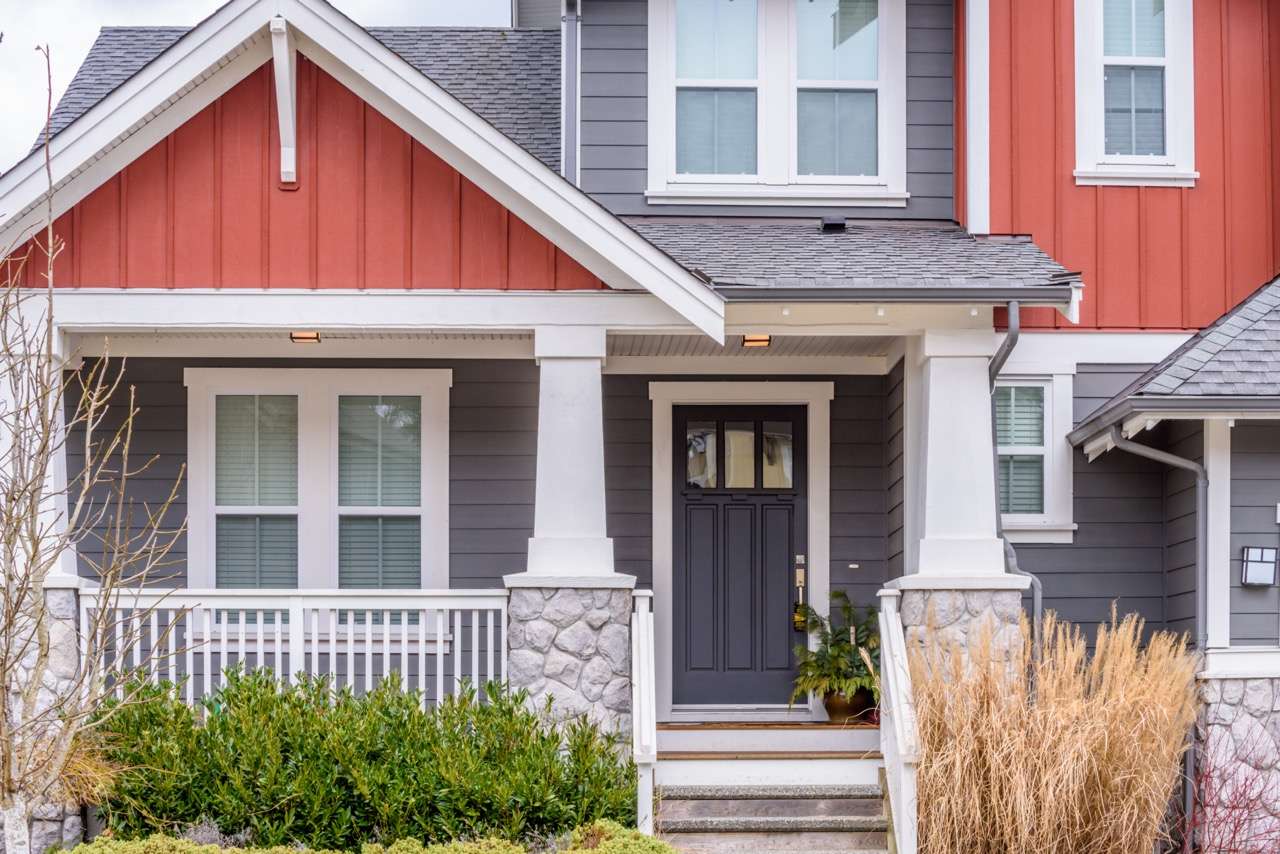
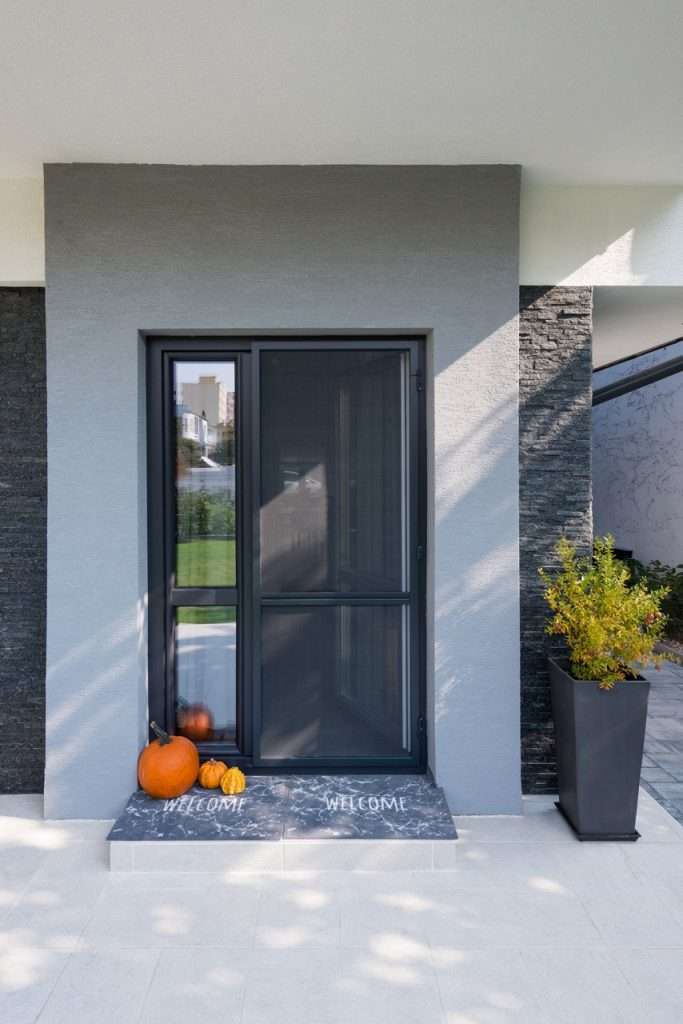
Adding glass to an entrance can make a hallway feel more open and connected to the outdoors. It can also change what people approaching the house can see.
The decision is not simply between a solid door and a fully glazed one. The position of the glass, its size, the selected pattern and the arrangement of nearby rooms all influence the result.
A narrow sidelight beside a door may provide a direct view down a hallway. A larger glazed section may face a relatively private porch. The amount of glass alone does not tell the whole story.
For homeowners across the GTA and Hamilton area, privacy planning starts with the views through the entrance—from both sides.
Define What You Want to Keep Private
“Privacy glass” can mean different things to different people.
You may want to prevent a clear view into the living room while still noticing someone at the door. Another household may want to obscure personal belongings in the hallway. Someone else may prefer very limited visibility in either direction.
Describe the concern specifically:
- We do not want visitors to see directly into the dining area.
- We want daylight without a clear view of people moving through the hall.
- We would like to see the approach from inside.
- We want the entrance to feel private after dark.
- We do not want to rely on keeping a blind closed all day.
These statements make product comparisons more useful. They also reveal when one preference may compete with another.
Follow the Sightlines From Outside
Stand at the places people normally occupy outside the entrance.
Look from the front path, the step where a visitor waits and any nearby public viewpoint. Consider side approaches too.
From each position, note what is visible through the existing glazing or where proposed glass would sit.
Pay attention to:
- The living room.
- Stairs and landings.
- Dining areas.
- Mirrors.
- A corridor leading to private rooms.
- Items normally stored beside the door.
A mirror can create a view that is not obvious when looking straight into the hallway. An open interior door can also change what is visible.
Use the home as it is normally arranged. Privacy should not depend on moving furniture or closing several internal doors whenever someone visits.
Decide Where Glass Would Be Most Useful
You may want more daylight without needing glass across the entire entrance.
Compare the positions available within the proposed design.
| Glazing Position | What to Consider |
|---|---|
| Upper section of the door | Where the view falls relative to people and interior rooms |
| Full-height door glazing | The wider range of sightlines and any covering needs |
| Sidelights | Views beside the door and along the hallway |
| Glazing above the door | Light contribution, surrounding construction and sightlines |
| Several glazed sections | The combined effect rather than each piece in isolation |
Availability depends on the selected product and the existing opening.
Changing the entrance arrangement may involve more than selecting a different door panel. The frame, surrounding construction and installation scope need assessment.
Our exterior doors should be considered as part of that complete entrance.
Compare the Actual Glass Options
A photograph of decorative glass is useful for style, but it is a limited guide to privacy.
Ask to see the specific option being proposed. Review its pattern, clarity and any sections that remain more transparent.
Do not assume that all textured, frosted or decorative designs provide the same result.
When viewing a sample, ask:
- How much detail can be seen through it?
- Are some parts clearer than others?
- Does the pattern look different from the opposite side?
- How will it appear across the full glazed area?
- Is the display representative of the exact product?
A product’s privacy description can help narrow the choice, but it should not replace discussion of your entrance’s sightlines and lighting.
Consider Lighting on Both Sides
An entrance is used under changing conditions.
A display viewed in a bright showroom does not reproduce a dark porch with the hallway lights on. The impression of a glass pattern can also change with the distance between a person, the glass and the surrounding light sources.
Ask how the selected product can be assessed under conditions relevant to your home. Where practical, compare samples with different lighting behind them.
Avoid treating a single daytime view as proof that the entrance will meet your expectations after dark.
If evening privacy is important, state that clearly before finalising the order. The proposed arrangement may need an additional covering or a different glazing choice.
Keep the View From Inside in the Discussion
Privacy works in both directions.
A more obscured design may reduce the clear view you currently have of the path or porch. If seeing the approach matters, explain that before choosing the glass.
Think about how you normally identify visitors. You may prefer a particular viewing position or use another suitable device as part of the entrance arrangement.
Glazing should not be selected on the assumption that it will simultaneously provide a clear view out and conceal everything inside.
Compare the actual options against the priorities you identified. Where there is a trade-off, choose it knowingly.
Decide Whether You Want a Covering
Blinds, shades or curtains can offer flexibility, but they introduce another part of the design.
Before relying on a covering, consider:
- Where it will be mounted.
- Whether it interferes with handles or locks.
- How it moves when the door opens.
- How easily it can be operated.
- Its appearance from outside.
- Cleaning and maintenance.
- Whether it will usually remain closed.
If the covering will stay closed most of the time, ask whether the glazing arrangement still provides the benefit you wanted.
For products with integrated coverings, confirm availability, operation, servicing and written coverage. Do not assume that a display feature is included in every quoted door.
Review the Whole Entrance Together
A door sample may look private enough by itself while the sidelights provide an unobstructed view.
Review every glazed section as one arrangement.
You do not necessarily need identical glass everywhere, but differences should be deliberate. Consider how patterns, clear sections and panel proportions relate to one another.
Also look at the entrance from a distance. A detailed pattern that appears attractive close up may have a different visual effect from the street.
Compare the glazing with retained materials, including:
- Brick or cladding.
- Window frames.
- Exterior trim.
- Interior finishes.
- Hardware.
The goal is a coordinated entrance that supports both privacy and appearance.
Avoid Using Glass Labels as Security Promises
Privacy and security are different considerations.
A glass pattern may obscure a view without establishing the security performance of the door assembly. Likewise, the appearance of a thick or substantial panel does not provide enough information to assess it.
If security is a priority, discuss the specified glazing, door, frame, hardware and installation together.
Ask which documented information applies to the proposed assembly. Avoid assuming that every decorative glass option has the same construction or performance.
This keeps the selection grounded in product information rather than visual impressions.
Confirm the Selection in Writing
Before approving the order, review the details together.
The documents should identify:
- The door product.
- Glazed panel arrangement.
- Selected glass option.
- Sidelights or other glazed sections.
- Interior and exterior finishes.
- Hardware.
- Coverings or accessories.
- Installation and finishing scope.
If a catalogue photograph is being used as a reference, confirm which parts are included. The image may show optional components or a different configuration.
Keep the approved selection with the project records. It is easier to resolve a question when the intended product is clearly identified.
Frequently Asked Questions
Does decorative front-door glass provide complete privacy?
Do not assume so. Designs differ, and some include clearer sections. Review the exact option alongside your entrance’s sightlines and lighting conditions. Explain whether you want to obscure detail, movement or a direct view into particular rooms.
Can sidelights affect privacy more than the door glass?
They can provide different views into the home because of their position. Assess the door and sidelights together from the path, porch and indoor hallway. The amount of glass alone does not establish the privacy result.
Should I choose a blind as well as obscured glass?
That depends on the flexibility you want and how the selected glass meets your expectations. If a covering is planned, check mounting, operation, hardware clearance and maintenance before ordering the entrance.
Choose Daylight With the Right Degree of Privacy
Start with what you want to see—and what you would prefer others not to see. Then compare the glass, its position and the complete entrance arrangement.
For a new entrance in the GTA or Hamilton area, request a quote from PanoramaLux to explore glazing options around your home’s views, daylight and privacy priorities.